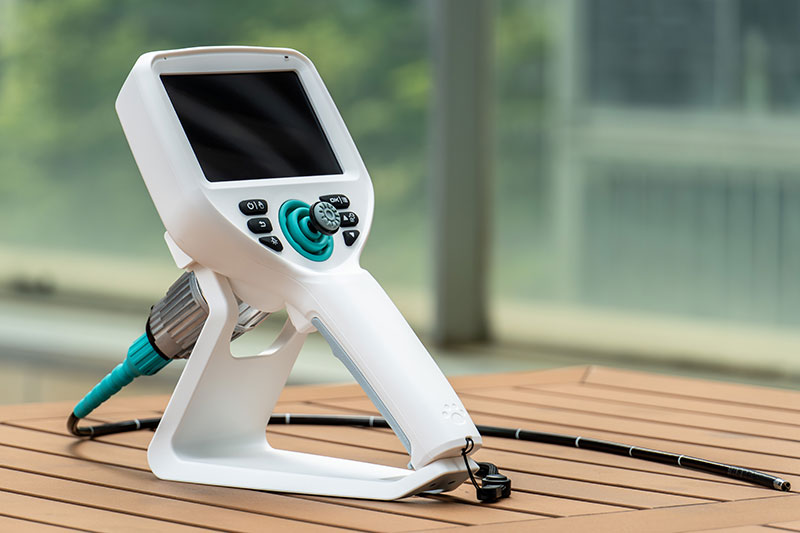
Modern veterinary clinics are increasingly relying on minimally invasive equipment to improve treatment outcomes. Veterinary endoscopes have become indispensable tools for diagnostic examinations and surgical procedures in small animal, exotic animal and large animal care. Veterinarians insert specialized camera-equipped instruments through natural body orifices or tiny puncture wounds, enabling internal cavity visualization and treatment without large open surgical incisions. Below we outline ten core benefits showing how veterinary endoscopy reshapes clinical workflows, benefiting animal patients, pet owners and veterinary practices alike.
Traditional open surgery causes extensive tissue damage and triggers severe physiological stress in patients. Minimally invasive endoscopy eliminates large incisions and greatly reduces the body’s stress response. This gentler treatment delivers remarkable benefits for critically ill, geriatric or fragile animal patients.
A standout advantage of veterinary endoscopy is the ability to perform diagnosis and therapy during a single anesthetic event. While visualizing the gastrointestinal, respiratory or urinary tract, vets can immediately collect biopsy samples, retrieve foreign bodies or remove small lesions. Separate secondary surgeries are unnecessary, lowering risks associated with repeated anesthesia.
Large open wounds expose internal tissues and leave them vulnerable to contaminants. Most endoscopic procedures access the body via natural orifices; laparoscopic procedures only require micro puncture wounds. Less exposed tissue surface significantly reduces the chance of bacterial contamination and surgical site infection.
Thanks to minimal tissue trauma, most animals receiving endoscopic procedures do not require prolonged in-clinic monitoring. Many routine veterinary endoscopy cases qualify as day-care procedures. Pets can return home to familiar surroundings much sooner, instead of enduring extended recovery stays required after open thoracic or abdominal surgery.
Built-in high-resolution camera systems deliver real-time magnified views of hard-to-reach anatomical regions. Subtle structures invisible to the naked eye during open surgery become clearly visible, helping clinicians detect mild inflammation, small masses and tiny mucosal injuries to avoid missed diagnoses.
Endoscopic procedures preserve surrounding healthy tissue and minimize vascular injury, resulting in reduced intraoperative bleeding. This safety advantage is especially critical for young, senior or anemic patients with limited blood volume reserves.
Conventional open surgery requires cutting through multiple layers of muscle and connective tissue. Endoscopy avoids extensive tissue dissection. Less tissue injury lowers risks of postoperative swelling, seroma, incision dehiscence and other wound-related complications.
With magnified visualization, veterinary surgeons can carry out fine manipulations in sensitive organs including the airway, bladder and digestive tract. Precise instrument control preserves adjacent healthy tissue during biopsy, polyp removal and other minimally invasive procedures.
Compared with traditional open surgery, veterinary endoscopic procedures have lower overall complication rates. Issues such as persistent pain, seroma, incision hernia and severe postoperative inflammation occur less frequently, reducing follow-up appointments and after-hours emergency visits.
Pet owners generally prefer minimally invasive treatment options. Shorter hospital stays, minimal scarring, faster return to normal activity and reduced pain medication requirements help build greater trust in veterinary clinics. Better animal patient welfare directly boosts client satisfaction and practice reputation.
SOAIM is a professional manufacturer of flexible veterinary endoscopes, specializing in flexible veterinary endoscopes and supporting instrument kits. Our equipment is engineered to deliver safe and stable minimally invasive cavity examinations and treatments for the gastrointestinal and respiratory tracts, suitable for general practices and specialty animal hospitals. If you are sourcing a flexible veterinary endoscopy system for your clinic, please contact us for detailed specifications and consultation.