Endoscopy is a minimally invasive diagnostic and therapeutic technique that has revolutionized small-animal veterinary care. Without large surgical incisions, veterinarians can examine internal tissues of pets, reduce trauma and discomfort for cats and dogs, and shorten postoperative recovery time.
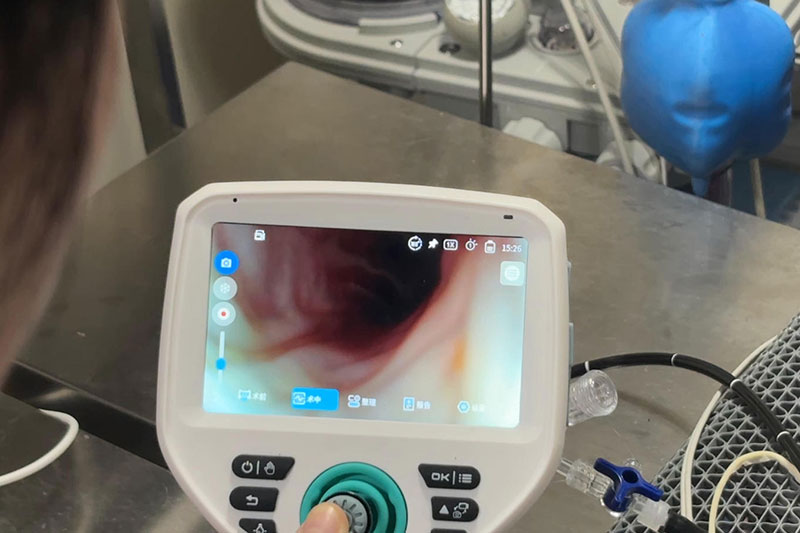
Veterinary endoscopes fall into two primary categories: flexible endoscopes and rigid endoscopes, each designed for distinct clinical applications. The flexible endoscope, featuring a bendable shaft fitted with a high-definition micro camera and built-in light source. Inserted through natural body orifices, it transmits real-time high-resolution images to the display unit, and footage can be saved for medical records. Unlike rigid endoscopes with fixed, unbendable shafts, flexible endoscopes are ideal for long, winding body cavities, making them the preferred choice for gastrointestinal and respiratory tract examinations.
Flexible and rigid endoscopes serve different clinical scenarios to cover a full spectrum of internal examinations for pets. Common procedures include:
Gastroscopy: Examination of the esophagus and stomach (preferred for flexible endoscopes)
Upper gastrointestinal endoscopy: Evaluation of the esophagus, stomach and proximal small intestine (preferred for flexible endoscopes)
Colonoscopy: Inspection of the large intestine (preferred for flexible endoscopes)
Bronchoscopy: Visualization of the trachea and bronchial airways (preferred for flexible endoscopes)
Rhinoscopy: Assessment of the nasal cavity and nasopharynx (flexible or rigid endoscopes may be used)
Reproductive tract endoscopy: Examination of the reproductive cavity and associated tissues
Cystoscopy: Inspection of the urethra and bladder (flexible or rigid endoscopes may be used)
Capsule endoscopy: A pill-sized camera capsule to image the full gastrointestinal tract
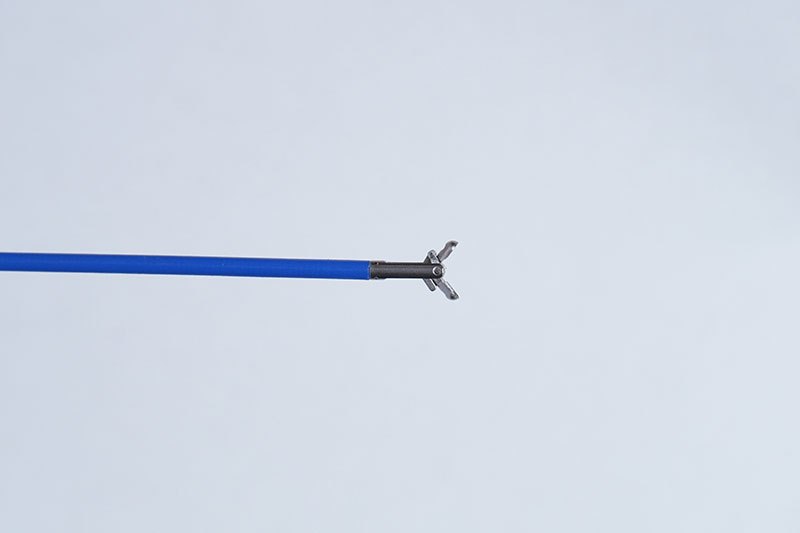
Endoscopy is not limited to viewing internal organ structures. It supports a wide range of minimally invasive interventional procedures. Veterinarians can collect biopsy samples of abnormal tissue, place enteral feeding tubes, resolve esophageal strictures, and safely retrieve foreign objects swallowed or aspirated by pets. For long, curved cavities, flexible endoscopes offer unique advantages. All these procedures can be performed via the scope’s working channel, without surgical cuts.
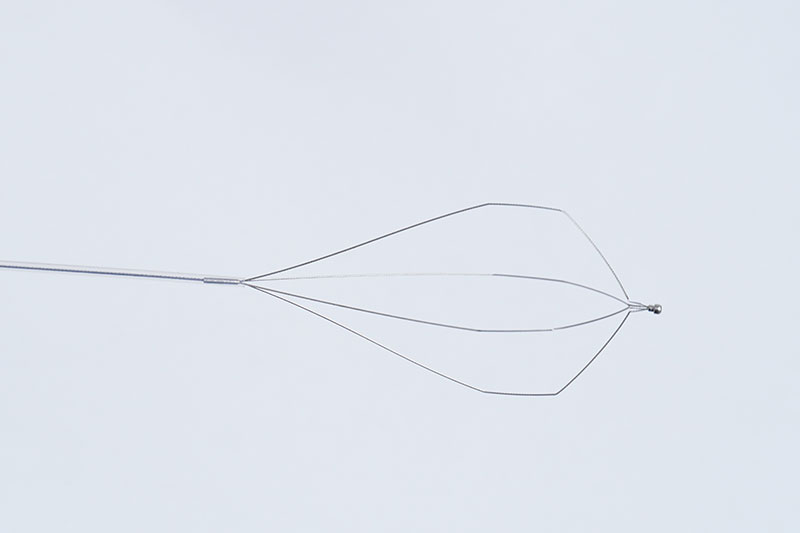
The SOAIM SA-series flexible veterinary endoscope supports biopsy, cavity flushing, suction and foreign body removal in one single session. It comes with multiple ultra-thin bendable probes to accommodate cats, small breed dogs, and medium-to-large canines. Compared with traditional rigid endoscopes, the SA-series flexible scope navigates naturally along winding anatomy to reach hidden areas. It delivers gentler manipulation with minimal trauma. No surgical incision means no surgical scars, and pets do not require prolonged hospital stays.
Endoscopic examinations require general anesthesia. Anesthesia keeps the pet stationary to ensure safety during the procedure, rather than only for pain control. Before the exam, veterinarians complete a full pre-anesthetic workup to mitigate risks:
Complete blood count and urinalysis to evaluate overall health
Targeted blood panels, including hormone, pancreatitis and intestinal tests based on clinical signs
Pre-procedure imaging with X-rays and ultrasound to identify lesions not visible via endoscopy
EKG screening for patients with heart murmurs or arrhythmias
Once pre-anesthetic screening confirms the pet is suitable, general anesthesia is administered. A veterinary technician maintains IV fluid therapy and continuously monitors vital signs including heart rate, respiration, blood oxygen levels and body temperature throughout the procedure.
A licensed veterinarian operates the SOAIM SA-series flexible veterinary endoscope with support from clinical staff. The pliable scope shaft gently advances along curved body passages. Sterile air or saline is delivered through the scope lumen to expand cavities for clear visualization; fluids are suctioned out after the exam. Tissue samples may be collected for biopsy, and lodged foreign bodies removed if identified. Most endoscopic procedures last between 20 and 60 minutes.
Like all veterinary medical procedures, endoscopy carries a small risk of complications. Comprehensive pre-procedure lab work and imaging greatly reduce these risks.
Under general anesthesia, rare complications may include heart rhythm changes, respiratory instability, or impaired temperature regulation. Perforation of hollow organs is an uncommon adverse event. When operated by experienced clinicians using high-quality flexible equipment such as the SOAIM SA-series, the soft bendable shaft avoids scraping or pressing against organs, lowering the risk of tissue injury.
Key distinction: Rigid endoscopes have stiff, fixed shafts built only for short, straight cavities. They have major operational limitations and may damage delicate tissues. Flexible endoscopes such as the SA-series work for long, winding lumens and deliver superior safety and versatility.
Endoscopy only visualizes the inner mucosal lining of hollow organs. It cannot evaluate lesions outside the organ wall or within the abdominal cavity. For example, intestinal endoscopy shows only the inside of the bowel and not structures outside the intestinal wall. This is why X-rays and ultrasound remain mandatory pre-procedure tests.
While abnormal masses discovered endoscopically can be biopsied, most large tumors cannot be fully removed via endoscopy and still require open surgical resection.
When Is Endoscopy Recommended?
Flexible endoscopy, such as the SOAIM SA-series, is a safe, effective diagnostic option when pets display the following clinical signs:
Nasal symptoms: Nasal congestion, persistent nasal discharge, nosebleeds
Gastrointestinal symptoms: Excessive drooling, vomiting, regurgitation, unexplained weight loss, inappetence, recurrent diarrhea
Urinary symptoms: Straining to urinate, painful urination, hematuria, urinary incontinence
Respiratory symptoms: Persistent cough, wheezing, increased mucus production, breathing difficulty
Lower gastrointestinal symptoms: Dyschezia, bloody stool, abnormal anal discharge
Emergencies: Ingested or aspirated foreign bodies, esophageal or airway obstruction
Endoscopy is typically an outpatient procedure, and most pets can go home the same day. Lethargy and grogginess for several hours after anesthesia are normal and resolve spontaneously.
After rhinoscopy, mild intermittent nosebleeds may occur and usually stop without intervention. For gastrointestinal and respiratory flexible endoscopy, restrict strenuous activity for 12 hours to allow insufflated gas to dissipate naturally. If biopsy samples were collected, specimens are sent to a veterinary pathology lab, and results are generally available within 5–7 business days.
For tissue biopsy, minimally invasive foreign body retrieval and luminal lesion screening, endoscopy is often preferable to open surgery. Rigid and flexible endoscopes each have unique use cases. For the most common curved cavities in pets including the gastrointestinal tract, respiratory tract and reproductive tract, the SOAIM SA-series flexible veterinary endoscope provides outstanding benefits. With its pliable steerable shaft, high-definition imaging and multi-functional design, it delivers low-trauma, low-risk, fast-recovery minimally invasive care and helps animal hospitals improve clinical outcomes.
If you suspect your pet may have internal lesions or lodged foreign material, consult your veterinarian to determine whether endoscopic evaluation is appropriate.
Author: Wang Quanlin
Practising veterinarian at Ruipal Pet Hospital in Shenzhen; holds a Master’s degree in Veterinary Medicine and a practising veterinary surgeon’s licence, with twenty years’ professional experience.