動物病院では、フレンチ ブルドッグが手術台に静かに横たわっています。誤って小さなおもちゃを飲み込んでしまったため、従来の検査方法では異物を特定するのに苦労していました。
獣医師は開腹手術を行う代わりに、犬の口から胃の中に細いチューブをそっと挿入した。犬の横にあるモニターには、胃の内部が鮮明にリアルタイムで映し出された。これがペット内視鏡検査であり、現代獣医療における革新的なツールである。
ペットが家族の一員として認識されるようになるにつれ、その健康への関心も高まっています。獣医診断における画期的な技術である内視鏡技術は、ペット医療のあり方を静かに変えつつあり、診断と治療をより正確で、低侵襲かつ安全なものにしています。
技術原理:
どのように獣医用内視鏡えー」体の中はどうなっているの?
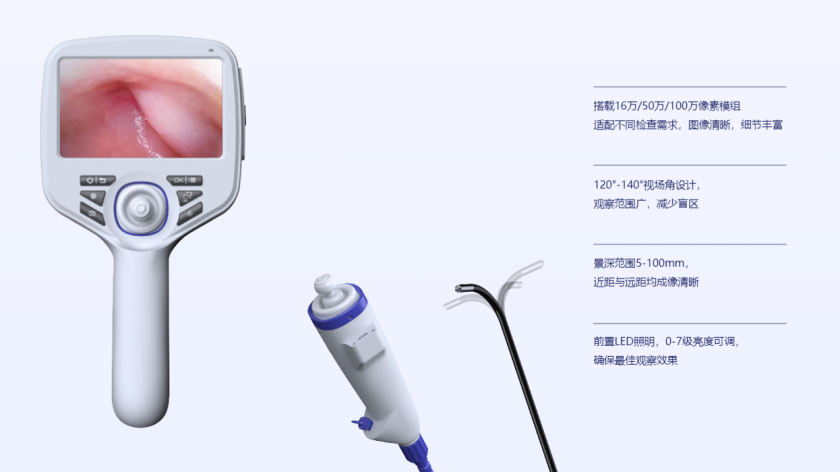
ペット用内視鏡は、従来の光学技術、精密機械技術、最新の電子機器、ソフトウェアプログラミングといった複数の技術を統合した医療機器です。その基本的な動作原理は、小型のフロントエンドカメラと照明システムを介して、ペットの体内臓器の画像を外部モニターに送信することです。
内視鏡のイメージ センサーは、光信号を電気信号に変換する役割を果たします。光がレンズを通過してセンサーに入射すると、光子が感光素子に衝突し、入射光の強度に比例した大きさの電流が生成されます。これらの電気信号は処理されてデジタル信号に変換され、最終的に画面上に画像が形成されます。
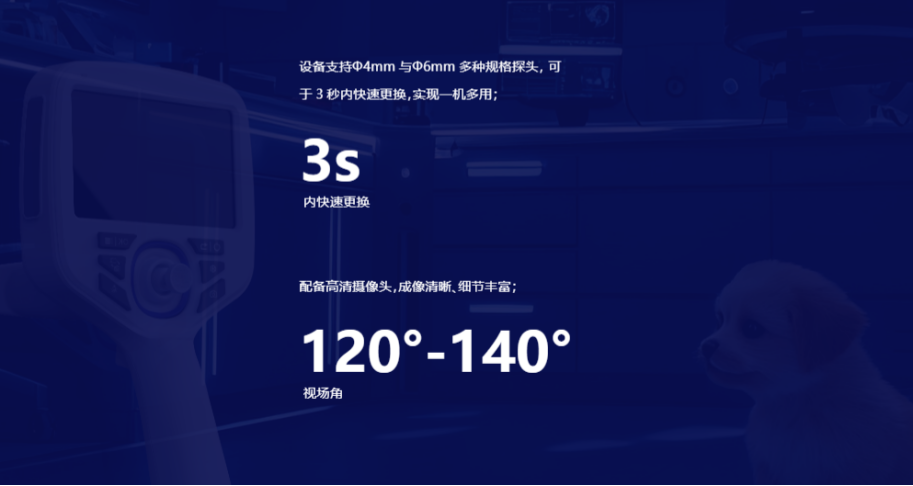
完全なペット内視鏡システムは、画像システム、照明システム、および操作コンポーネントの3つの主要部分から構成されます。画像システムの核となるのはイメージセンサーと光学レンズです。照明システムは通常、組織の熱損傷を避けるためにLED冷光源を使用します。操作コンポーネントには、柔軟な制御機構と可能な作業チャネルが含まれます。
人間の医療機器とは異なり、獣医用内視鏡は動物の大きさや生理構造の違いを考慮し、より柔軟で多様な設計がなされています。直径は数ミリメートルからさらに小さいサイズまであり、小型の猫や犬から大型動物まで、様々な動物のニーズに対応できます。
幅広い用途:獣医療における内視鏡検査の多用途
獣医学の分野では、内視鏡技術がさまざまな場面で応用され、診断と治療の重要なツールとなっています。
01.消化管検査
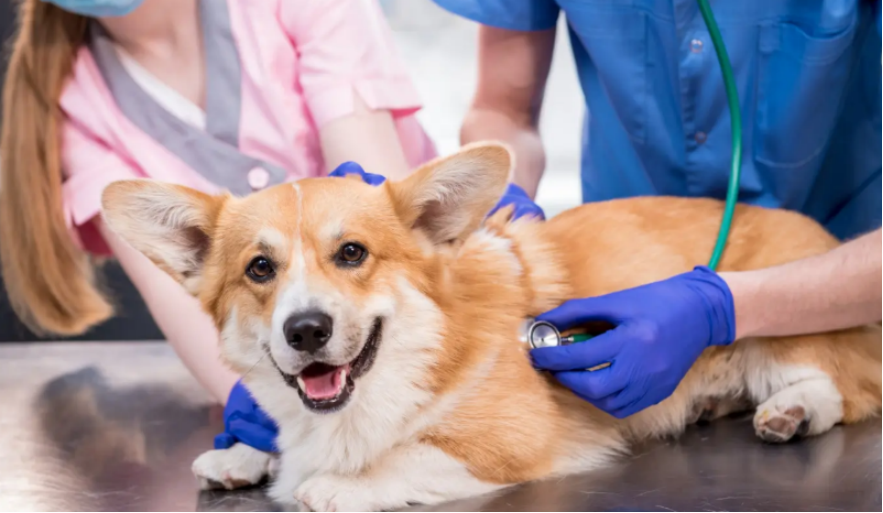
胃腸検査は、ペットに対する内視鏡検査の最も一般的な用途の 1 つです。ペットに嘔吐、下痢、食欲不振、異物誤飲の疑いがある場合、内視鏡検査では食道、胃、腸を直接観察することができるため、開腹手術をすることなく診断が可能です。統計によると、ペットの消化器系疾患の診断の80%以上が内視鏡検査によるものです。
02.呼吸器検査
呼吸器検査も内視鏡検査に大きく依存しています。咳が止まらず呼吸が異常なペットの場合、気管・気管支に気管支鏡を挿入して病変を直接観察することができます。ゴールデンレトリバーが慢性的な咳を訴え、内視鏡検査で気管支に小さなポリープが見つかったため、従来の方法では診断が見逃される可能性が回避されました。
03.泌尿器系疾患の診断
泌尿器系疾患の診断では、膀胱鏡を尿道から膀胱に挿入し、膀胱内層を直接観察して結石、腫瘍、慢性炎症を診断します。この検査方法はペットの痛みを大幅に軽減し、より早い回復を促進します。
04.耳、鼻、喉の検査
耳、鼻、喉の検査は内視鏡検査に特に適しています。犬の外耳疾患は非常に蔓延しており、耳鏡で外耳道を簡単に検査できます。鼻内視鏡は、慢性的なくしゃみや鼻血などの問題を診断するために使用されます。
05.サンプリング生検
さらに、内視鏡技術はサンプリングと生検に優れています。ペットの組織病変が疑われる場合、内視鏡を使って生検鉗子を誘導して組織サンプルを採取できます。これは盲目的な穿刺よりも安全で正確です。
従来の診断方法と比較して、内視鏡技術は獣医学において大きな利点を示しています。
低侵襲
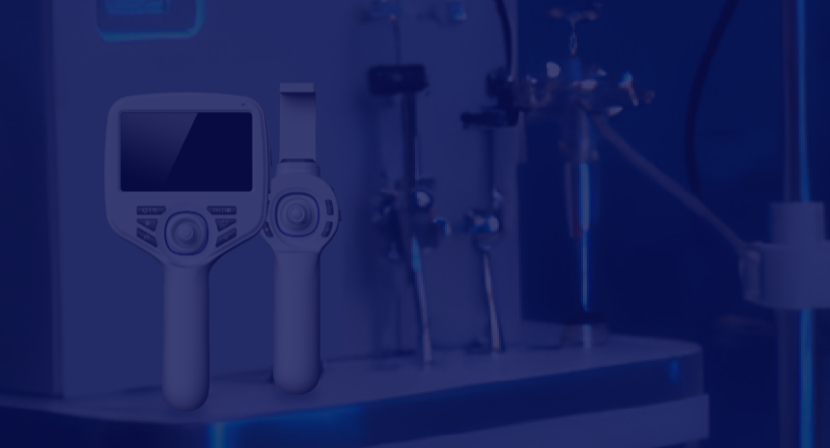
低侵襲性が内視鏡検査の最大の利点です。自然の空洞または小さな切開を通して体内に侵入するため、従来の開腹手術による大きな切開を回避し、動物の苦痛を軽減し、回復を促進します。異物を飲み込んだ猫は、内視鏡で異物を除去した翌日からは普通に食事ができるようになりますが、従来の手術では回復に1週間以上の期間が必要になる場合があります。
診断精度は非常に高いです。
診断精度は非常に高いです。内視鏡検査は直接観察できるため、獣医師は内部組織の変化を視覚的に観察し、X線やその他の検査では検出が難しい微細な病変を検出することができます。研究によると、内視鏡検査は呼吸器疾患の診断において 90% 以上の精度があることが示されています。
強力な治療機能
強力な治療能力。内視鏡は診断ツールであるだけでなく、治療に直接使用することもできます。獣医師は作業チャネルを通じて、異物の除去、ポリープの除去、薬剤の塗布などの処置を行うことができます。世界の動物内視鏡市場は約4.1%のCAGRで成長しており、2028年までに市場規模は12億1,000万元に達すると予測されています。
この記録には教育上重要な価値があります。
記録と教育の価値は重要です。内視鏡システムは検査プロセスと画像を記録できるため、患者の追跡、遠隔診療、教育訓練が容易になります。
技術フロンティア:ペット用内視鏡の今後の開発方向
技術の進歩に伴い、ペット用内視鏡はより高い精度とインテリジェンスを目指して開発されています。
01.映像技術は進化し続ける
映像技術は進化を続けています。高解像度イメージングと狭帯域分光法の適用により、初期病変を特定する能力が強化されました。将来的には、特定のプローブを利用してターゲットを絞ったイメージングを実現する分子イメージング内視鏡が登場する可能性があります。
02.インテリジェントな診断サービスが登場しています。
インテリジェントな診断システムが登場しています。 Artificial intelligence-assisted diagnostic technology can automatically analyze endoscopic images, identify areas of suspicious lesions, and provide veterinarians with reference opinions.これにより、診断効率が向上するだけでなく、人的ミスによる診断の見逃しも減少します。
03.小型化がトレンドになりつつある
小型化がトレンドになりつつあります。より薄く、より柔軟なカテーテルは、小さなペットや若い動物のデリケートな空洞に使用されます。将来的には、内視鏡によって痛みのない検査が可能になり、ペットの不快感がさらに軽減される可能性があります。
04.多機能の統合は重要な開発方向です
多機能の統合は重要な開発方向です。一部の先進的な内視鏡は、腔内の超音波スキャンを実現するために超音波プローブを統合し始めています。スペクトル分析モジュールと組み合わせると、組織組成の非侵襲的評価も実行できます。
05.遠隔医療には幅広い応用の可能性がある
遠隔医療の応用の可能性は幅広いです。 5G技術の普及により、獣医師による内視鏡画像のリアルタイム伝送による遠隔診断・指導が可能となり、より多くの地域が質の高い医療資源の恩恵を受けることが可能になります。
選択ガイド:あなたのペットに適した検査プランを選択するにはどうすればよいですか?
ペットに内診が必要な場合、飼い主はさまざまな検査方法の長所と短所を理解する必要があります。
内視鏡検査と従来の検査法の比較
内視鏡検査と従来の検査方法の比較: X 線検査は骨や特定の異物の診断に適していますが、軟組織の分解能は限られています。超音波は実体臓器の検査には効果的ですが、中空臓器の表示には不十分です。内視鏡検査では直接画像が得られるため、虫歯の病気をより正確に診断できます。
受験会場を考える
検査する領域を考慮してください。異なる領域には異なる種類の内視鏡が適しています。硬性の多目的内視鏡は耳鼻咽喉科検査に最適であり、最高の光学画像を提供します。一方、胃腸の検査には、より柔軟な内視鏡が必要になる場合があります。
ペットのサイズ要因
ペットのサイズ要因: 大型犬には標準サイズの内視鏡が適していますが、子猫や小型犬にはより小さな直径の内視鏡が必要です。専門の獣医師が、ペットの特定の状況に基づいて適切な治療計画を推奨します。
麻酔のリスク評価
麻酔のリスク評価: 内視鏡検査は通常、麻酔を必要とします。獣医師は検査前にペットの健康状態を評価し、安全な麻酔計画を立てる必要があります。
専門機関を選ぶ
専門機関を選ぶ:内視鏡検査は術者の高度な技術が要求されるため、経験豊富で信頼できる動物病院を選ぶことが重要です。資格のある獣医師は、機器の利点を最大限に活用し、検査の安全性と有効性を確保できます。

技術の継続的な進歩に伴い、ペット用内視鏡はより高い精度と知能へと進化しています。将来的には、高精細画像、マルチモーダル診断、インテリジェントな支援を組み合わせた統合診断・治療プラットフォームが登場し、ペットの健康をより包括的に保護できるようになるでしょう。
近い将来、遠隔医療技術の普及に伴い、遠隔地に住むペットでさえ、内視鏡検査を通して遠隔地の専門家から「対面」での診断を受けられるようになるでしょう。ペット医療は、より精密な治療、低侵襲な処置、そして人間中心のケアという新たな時代を迎えようとしています。